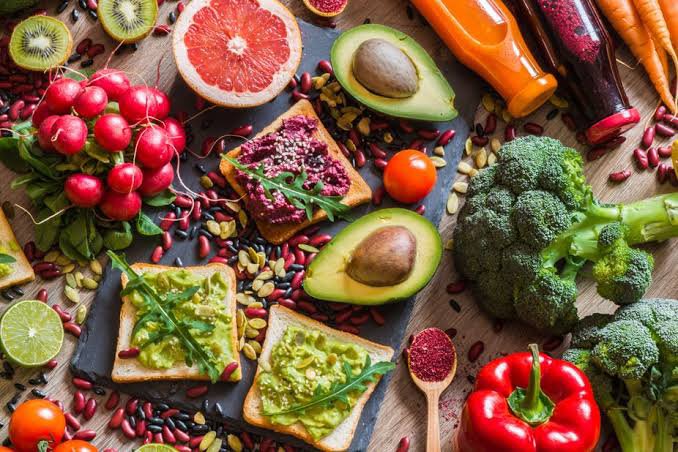
Meat and other animal products have been a part of our diets since the beginning of our existence. We have never held this diet up to any standards concerning our ethics or our health. But now, with serious problems like mass industrialization, increasing levels of pollution, overpopulation,etc, many around the world are questioning their dietary habits. Modern medical research has proven time and time again that excessive meat consumption can lead to a volley of health problems such as diabetes and heart disease. Industrial production of meat also has damaging environmental effects. These issues have caused many to switch to a vegetarian or vegan lifestyle for ethical and health reasons.
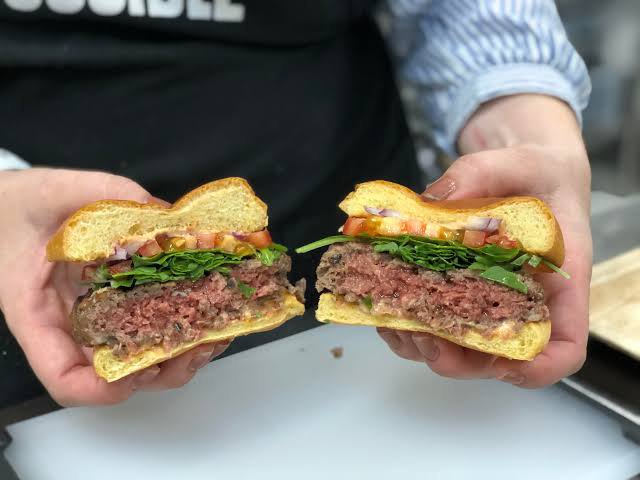
Impossible Foods,Inc is a company that came into the limelight a few years ago. They’ve become known for their wide range of vegan products. But their biggest hit till date is the Impossible Burger. A very common complaint about veggie burgers is that they don’t have the same texture as meat. But scientists at Impossible Foods wanted the sensory experience of eating an Impossible Burger to be identical to eating a normal hamburger. So, they investigated the properties of proteins in meat and looked for plant proteins with those same properties. Meat patties are broken down to the molecular level, and the scent of the aromatic molecules are recorded. A specific combination of these molecules creates the smell and flavor of meat, which can be replicated to make fake meat.
The secret ingredient to all this? A complex molecule called Heme, that is carried by haemoglobin in animal blood, but is also found naturally in plants.Impossible Foods sources its heme from soy leghemoglobin, found in the root nodules of soy plants. However, to source large quantities of leghemoglobin from these plants is impractical, so Impossible Foods found an alternative method of obtaining heme: genetic engineering.The DNA that codes for leghemoglobin is extracted from soy nodules and transferred to yeast, forming a genetically-modified yeast cell. These yeast cells will then undergo fermentation to produce leghemoglobin en masse. The heme produced are chemically identical to natural heme.
People who have tasted the Impossible Burger say that they did not realize it wasn’t meat. They couldn’t tell the difference. Large fast food chains like Burger King and Red Robin have already started to introduce Impossible Burgers into their menus. It is starting to become very popular,not just among vegans and vegetarians, but also among people just wanting to switch to a healthier, cruelty free diet without compromising on taste.

This is only the beginning of a new era of high-tech, genetically engineered foods. Because if we want to feed a rapidly expanding species while preseving our natural resources and coexisting with other species, we have to improvise our food manufacturing and consumption system.
 Site Title
Great topic
I would love to follow your blog and schedule my diet
LikeLiked by 1 person